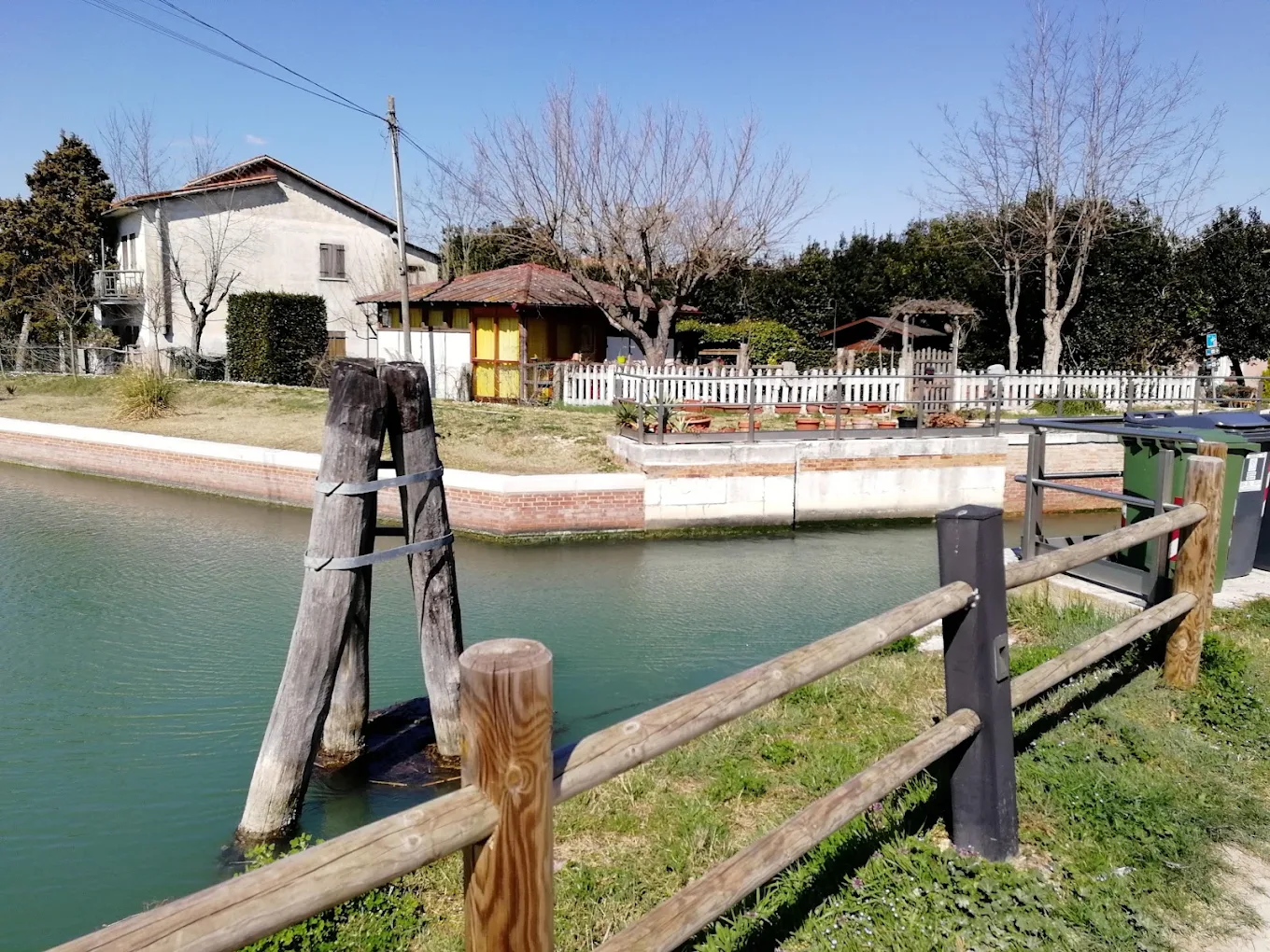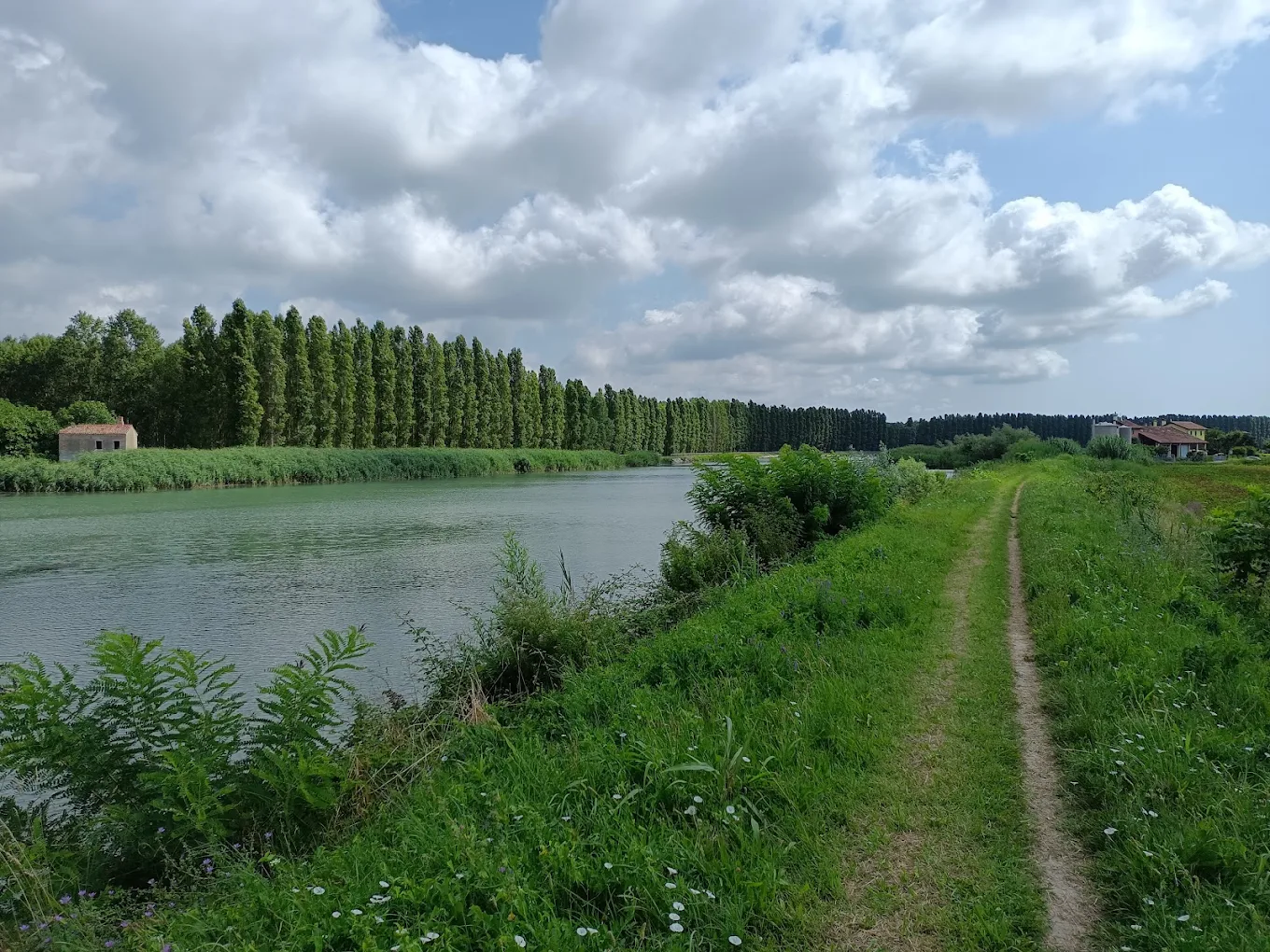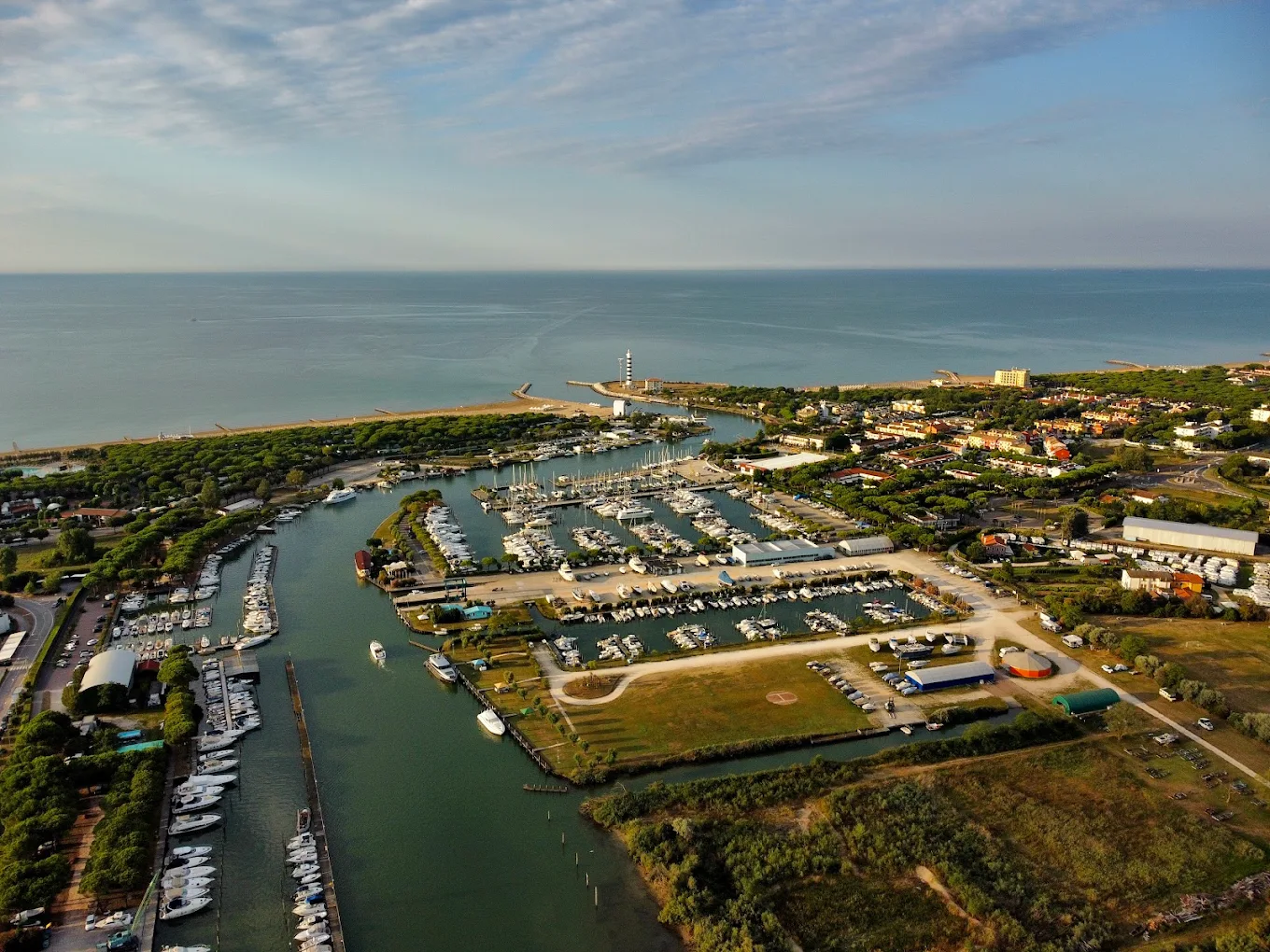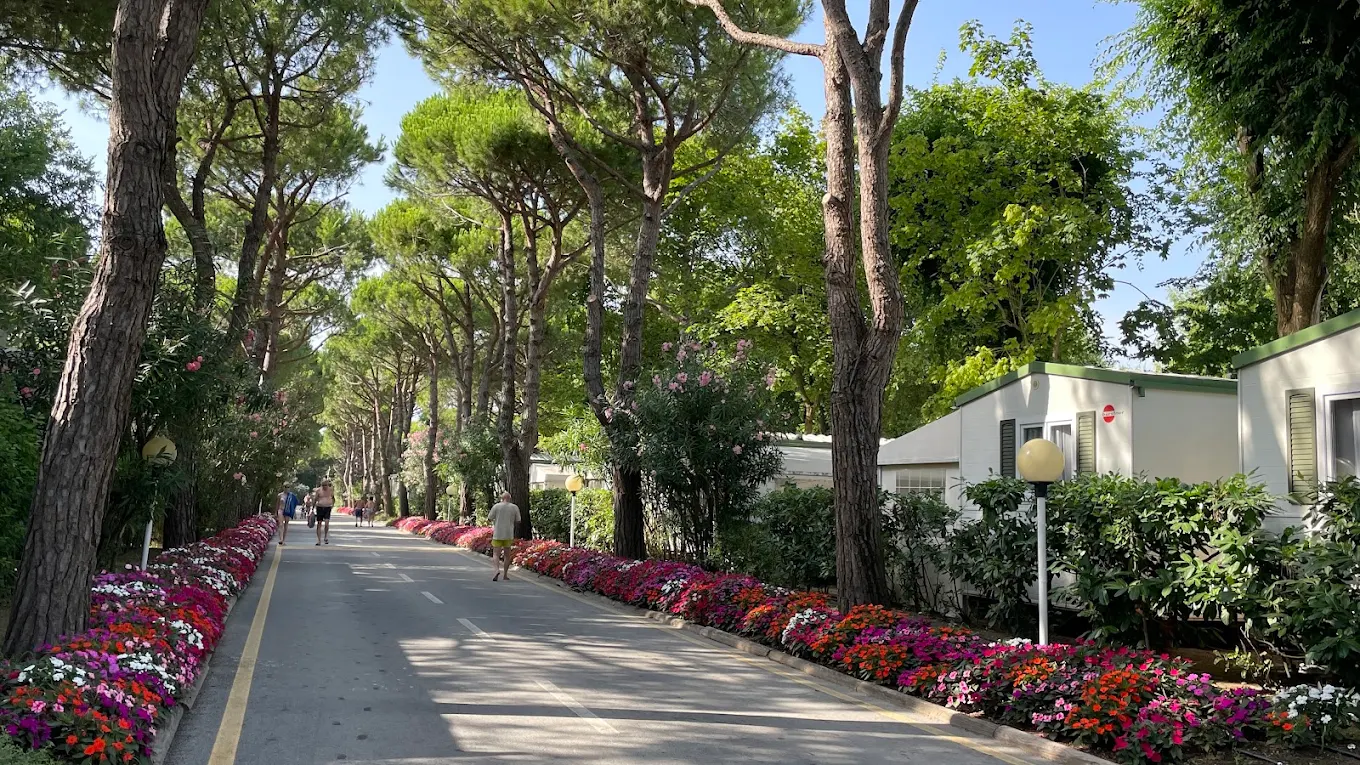

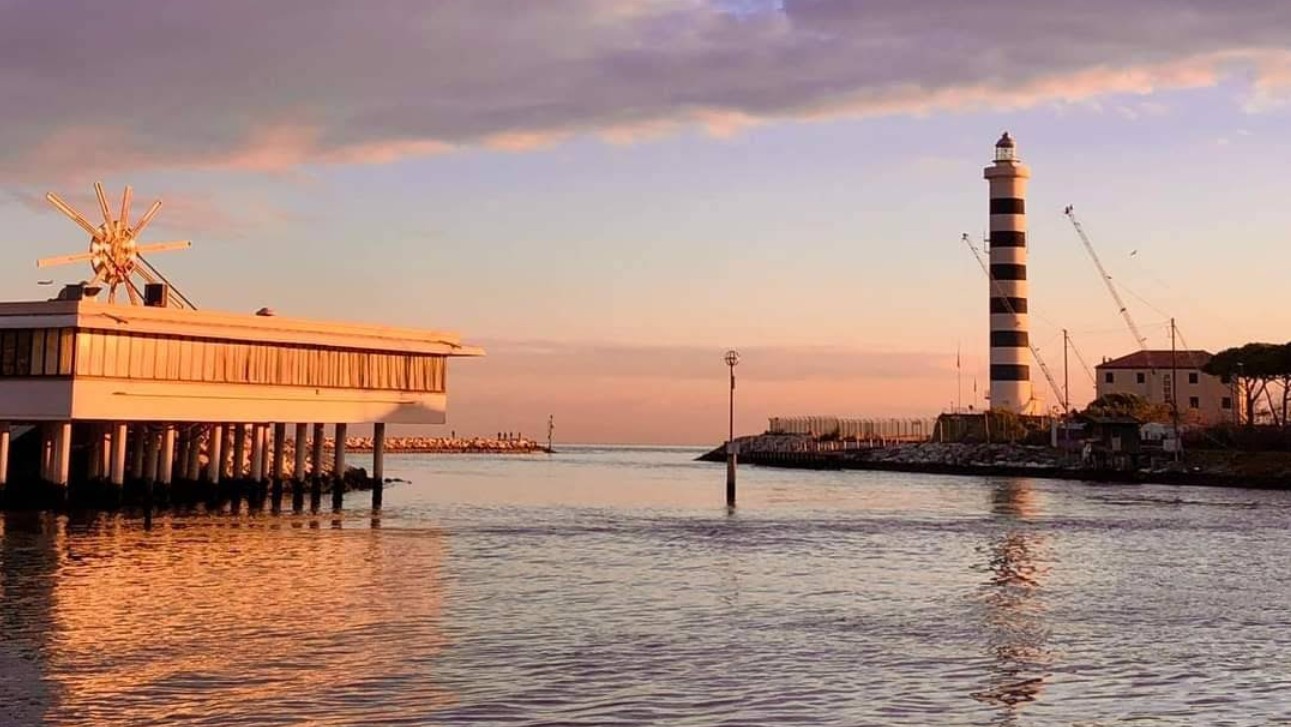
Located in the Venetian Lagoon area, Porto di Piave Vecchia is a lesser-known spot. Just outside of Jesolo, it offers a different perspective compared to the busy beaches and nightlife the area is famous for.
This guide explores Porto di Piave Vecchia Jesolo, including its historical relevance, what to see and do, how to get there, and nearby attractions worth adding to your itinerary.
Porto di Piave Vecchia: Location and significance
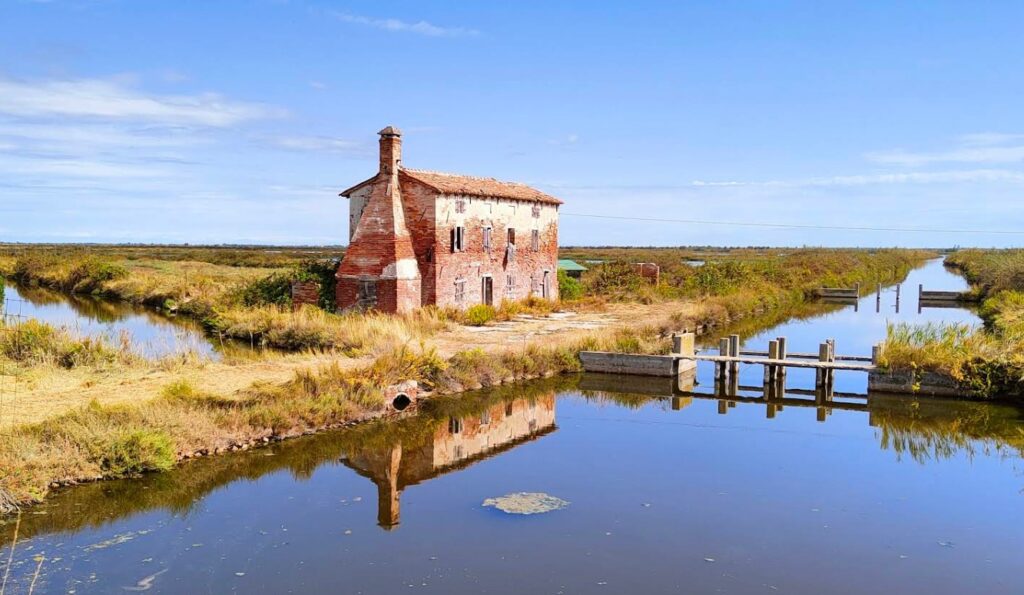
Porto di Piave Vecchia is at the mouth of the Piave River, where it flows into the northern part of the Venetian Lagoon. It falls within the municipality of Jesolo, in the Veneto region of Italy.
Key facts
| Feature | Details |
| Region | Veneto |
| Municipality | Jesolo |
| River | Piave River |
| Distance from Jesolo | About 5 km |
| Distance from Venice | About 40 km |
| Environment | Lagoon, wetlands, river delta |
Why this location matters
- It acts as a natural transition point between river and lagoon ecosystems
- Historically, it has been a strategic maritime and river port
- Today, it is part of a protected natural area, important for biodiversity
The area is especially attractive for those who want to explore beyond mainstream destinations, with a quieter and more authentic side of the Adriatic coast.
History of Porto di Piave Vecchia
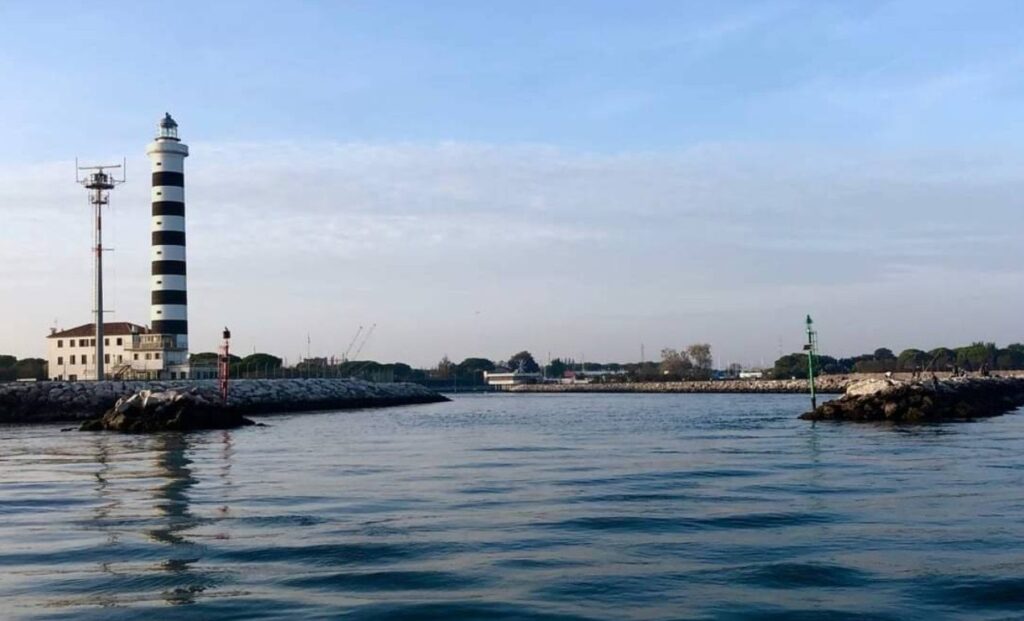
The history of Porto di Piave Vecchia is closely tied to the Piave River, one of northern Italy’s most significant waterways.
The history of the area begins in the Roman era, when early settlements and trade routes used the Piave River as an important transport corridor.
During the Middle Ages, the port developed into a small but functional hub supporting local fishing and trade. In the 18th and 19th centuries, major river engineering works were carried out to alter the course of the Piave and reduce the risk of flooding.
Later, during World War I, the Piave River became a crucial defensive line, playing a key role in the conflict. In the modern era, the area has gradually shifted from a focus on trade to tourism and environmental conservation.
Why it matters historically
1. The Piave River was known as the “Sacred River of the Fatherland” due to its role in WWI
2. Porto di Piave Vecchia was part of the hydraulic engineering projects that reshaped the Veneto coastline
3. It reflects the evolution from a working port to an eco-tourism destination
What to see and do in Porto di Piave Vecchia
Although the area is small, Porto di Piave Vecchia has a variety of experiences.
Must-do checklist
- Walk along the riverbank and lagoon paths
- Visit the Piave River mouth viewpoint
- Enjoy a boat trip through the lagoon
- Try local seafood in nearby trattorias
- Go birdwatching in the wetlands
Top activities
1. Nature walks and cycling
The flat terrain makes it ideal for walking and cycling. Several paths connect to Jesolo and the nearby lagoon areas.
The routes are easy and suitable for all ages, offering scenic views of the water and surrounding wildlife. However, there is limited shade during the summer months, and some paths have few facilities along the way.
2. Birdwatching
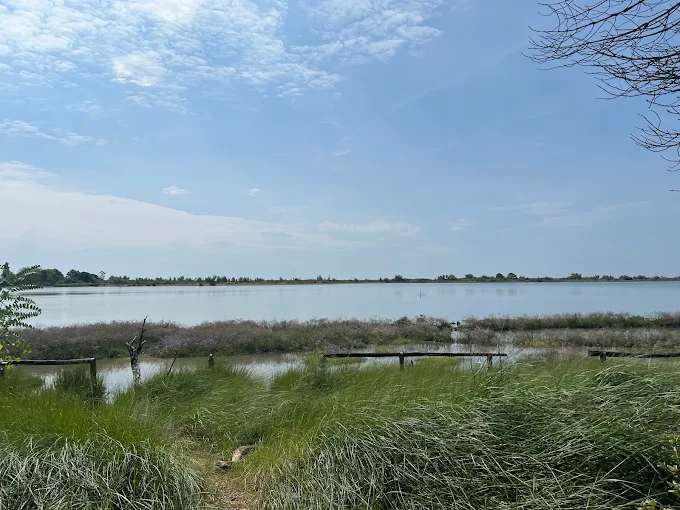
The lagoon environment supports a wide range of species.
- Over 200 bird species recorded in the Venetian Lagoon
- Common sightings include herons, flamingos (seasonal), and cormorants
3. Fishing and boating
Fishing remains part of the local culture.
- Traditional fishing methods are still used
- Small boat rentals available in nearby areas
4. Photography
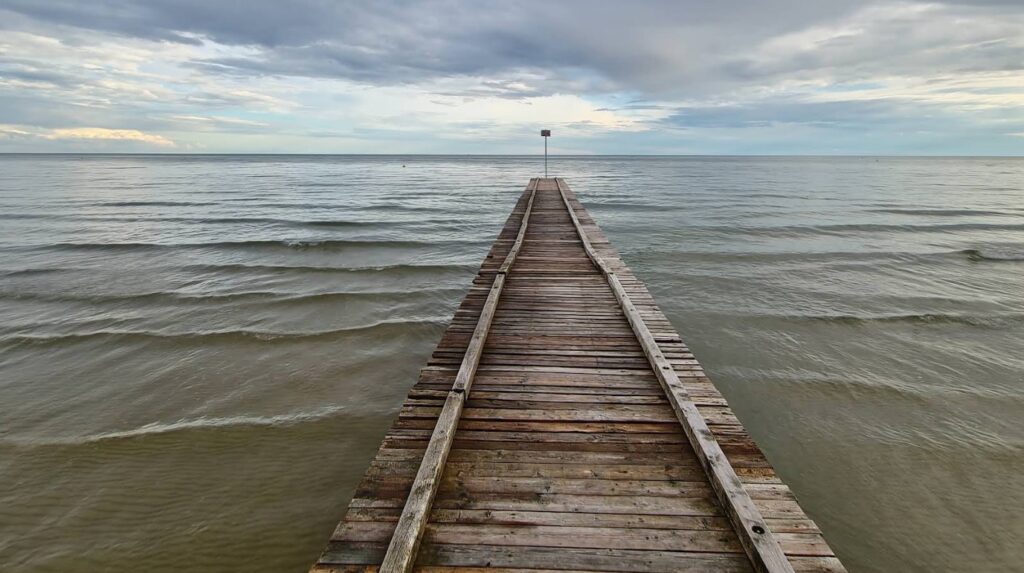
The mix of water, sky, and vegetation creates ideal conditions for photography, especially at sunrise and sunset.
How to get to Porto di Piave Vecchia from Jesolo
Reaching Porto di Piave Vecchia Jesolo is easy, with several transport options available.
Porto di Piave Vecchia is located approximately 5 km from central Jesolo, with a travel time of around 10–15 minutes by car or 20–30 minutes by bike.
By car, you can follow local roads towards the mouth of the Piave River, where parking is available near the port area. Cycling is also a popular option, thanks to Jesolo’s extensive network of cycle paths, which covers over 150 km and provides an eco-friendly way to reach the area.
Public transport options are more limited, with no direct connections, although local buses can take visitors nearby, followed by a short walk.
What to see near Porto di Piave Vecchia
One of the advantages of visiting Porto di Piave Vecchia is its proximity to many attractions.
1. Jesolo
It is famous for its 15 km sandy beach and attracts over 5 million visitors annually, offering a wide range of restaurants, nightlife, and shopping options in the city of Jesolo.
2. Venice Lagoon
It is a UNESCO World Heritage Site and is home to unique ecosystems as well as historic islands.
3. Cavallino-Treporti
It is known for camping and outdoor tourism.
4. Lio Piccolo
A not-so-well-known area with lagoon landscapes, quiet cycling routes and local agricultural products.
Practical tips for visitors
The best time to visit is between April and June or in September, when the weather is generally mild and more comfortable for outdoor activities.
Summer temperatures typically range between 28 and 32°C, meaning you should come prepared with water, sunscreen, and comfortable shoes.
As the area includes protected natural habitats, you are also encouraged to respect the environment and follow responsible tourism practices during your stay.
Discover the charm of Porto di Piave Vecchia
Porto di Piave Vecchia is a refreshing contrast to the busy coastal resorts of Jesolo. With its mix of history, natural beauty, and tranquillity, it is an ideal destination for anyone looking to explore a more authentic side of the Venetian Lagoon.
Whether it is a peaceful bike ride, a scenic walk, or a quiet moment by the water, Porto di Piave Vecchia Jesolo provides a unique experience that is often overlooked.
If you are planning on staying in the area, choosing the right accommodation can make all the difference. With local expertise and a wide selection of properties, Agenzia Lampo provides convenient and comfortable options to explore Jesolo and its surroundings with ease.