
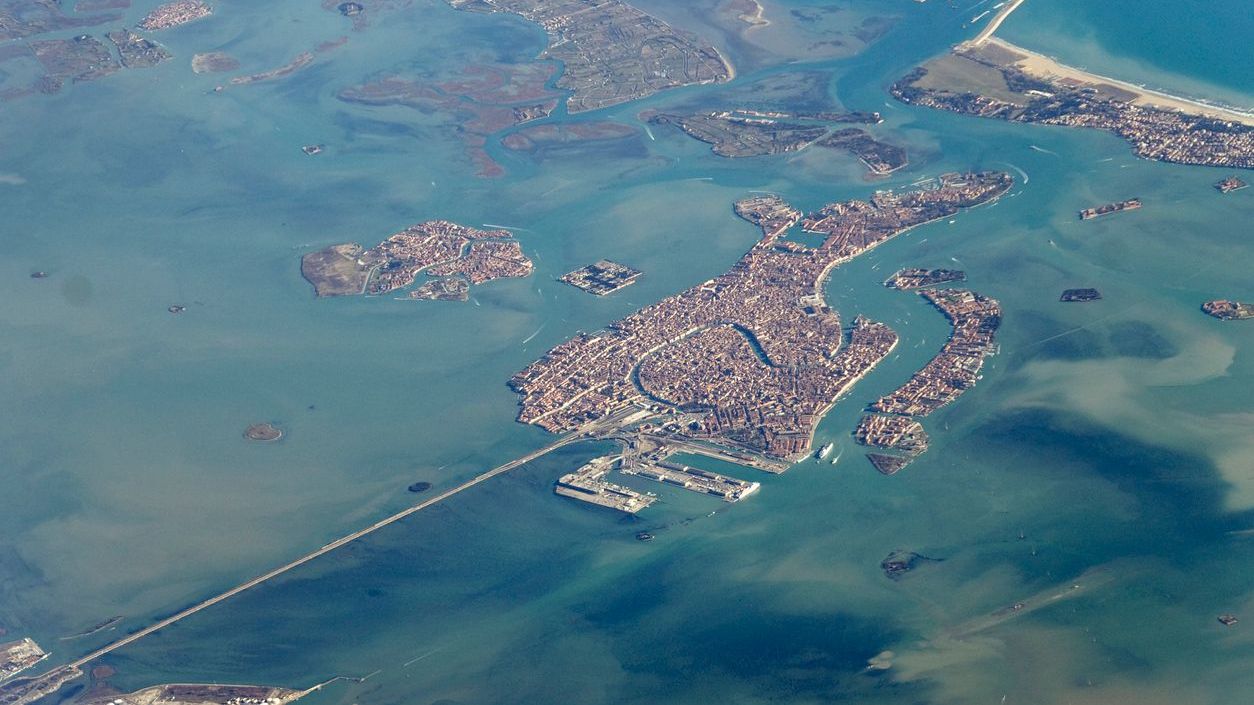
The Venetian Lagoon is the largest wetland in the Mediterranean basin. The lagoon is full of fishermen, market gardeners, glassblowers, and monks, surrounded by brightly painted houses, abandoned hospitals, salt marshes, and Byzantine cathedrals.
It truly is a unique landscape.
This guide walks you through the geography, the famous islands, and the secret corners of the Venetian Lagoons, so you can plan a trip that takes you beyond St Mark’s Square.
Venetian Lagoon and its beauty
The Venetian Lagoon (Laguna Veneta in Italian) is an enclosed bay of the northern Adriatic and one of the most ecologically and historically significant wetlands in Europe. It covers around 550 km², with an average depth of just over 10 metres along the dredged channels.
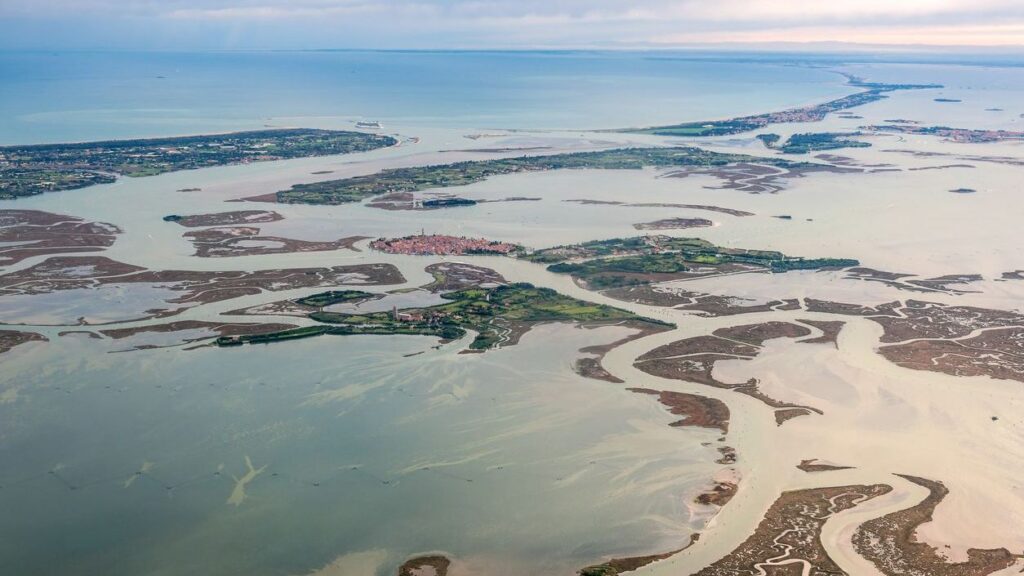
Around 8% of that surface is actual land, the city of Venice itself, plus more than a hundred smaller islands, while 80% consists of mudflats, sandbanks (the famous barene), and salt marshes that appear and disappear with the tides.
The lagoon was added to the UNESCO World Heritage List in 1987, with the protected area covering 70,176.4 hectares.
Geography and map of the Venetian Lagoon
If you pull up a Venetian Lagoon Map, the shape that you’ll see is a long crescent running parallel to the Adriatic coast, separated from the open sea by a thin line of barrier islands, Lido and Pellestrina to the south, Cavallino-Treporti to the north.
| Area of the lagoon | Main settlements | What it’s known for |
|---|---|---|
| Northern lagoon | Burano, Mazzorbo, Torcello, Sant’Erasmo | Colourful fishing villages, market gardens, Byzantine ruins |
| Central lagoon | Venice, Murano, Giudecca, San Michele | Historic centre, glassmaking, the cemetery island |
| Southern lagoon | Lido, Pellestrina, Chioggia | Beaches, fishing fleet, the Film Festival |
For a relaxed base outside the crowds, many travellers stay along the Adriatic coast and reach the lagoon by car, train or boat. You can explore the surrounding area of Altanea for ideas on day trips into Venice and the lagoon islands.
Most popular Venetian Lagoon Islands to visit
There are four areas that we suggest visiting in the Venetian Lagoon:
Murano:
Murano is actually a cluster of seven small islands linked by bridges. Glassmaking was moved here in 1291 to keep furnace fires away from Venice’s wooden buildings, and the craft has stayed put ever since.
Burano:
Roughly 7 km from Venice and a 45-minute vaporetto ride from St Mark’s, Burano is the rainbow-painted fishing island everyone has seen online. The houses are colour-coded by family tradition.
Torcello:
This was the first major settlement in the lagoon and once held a population of 20,000. Today, fewer than 20 people live here permanently. The Cathedral of Santa Maria Assunta, founded in 639 AD, has some of the best Byzantine mosaics in Italy. Climb the bell tower for an unbeatable view across the marshes.
Lido di Venezia:
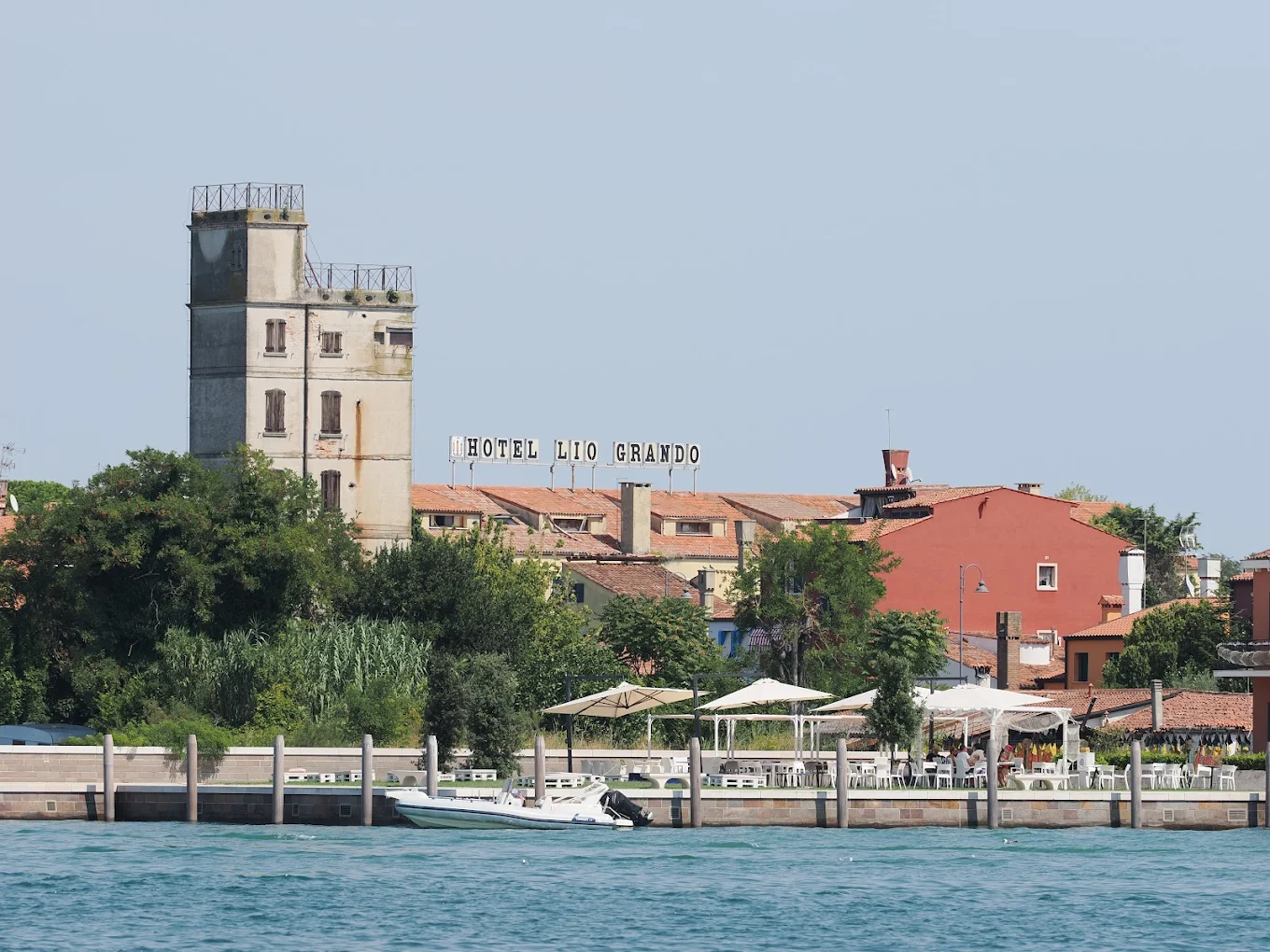
An 11 km barrier island with around 20,400 residents, the Lido is where Venice goes to the beach. It is also home to the Venice Film Festival in late August/early September.
Secret corners of the lagoon
Apart from the larger islands above, there are dozens of smaller islands. Some are still inhabited, others are abandoned, and a few are slowly being reborn as nature reserves or boutique retreats.
These are the corners of the Venetian Lagoon Islands that most travellers never reach.
- Sant’Erasmo: Known as the orto di Venezia (Venice’s vegetable garden), this is the lagoon’s second-largest island. Famous for purple castraure artichokes harvested in April and May. Rent a bike at the dock and cycle the country lanes.
- Mazzorbo: Connected to Burano by a wooden footbridge. Home to the Venissa estate, with a walled vineyard growing the rare Dorona grape and a Michelin-recognised restaurant.
- San Francesco del Deserto: A 4-hectare island where St Francis of Assisi reputedly landed in 1220 on his return from the Holy Land. Still a working Franciscan monastery, open Tuesday to Sunday by donation. You need to arrange a small private boat from Burano to reach it.
- San Michele: Venice’s cemetery island, where Igor Stravinsky, Sergei Diaghilev and Ezra Pound are buried. Reachable on vaporetto line 4.1 or 4.2 in about ten minutes.
- Poveglia: The lagoon’s “ghost island”, a former plague quarantine station and 20th-century psychiatric hospital, is closed to the public but visible by private boat. Cult status with paranormal fans.
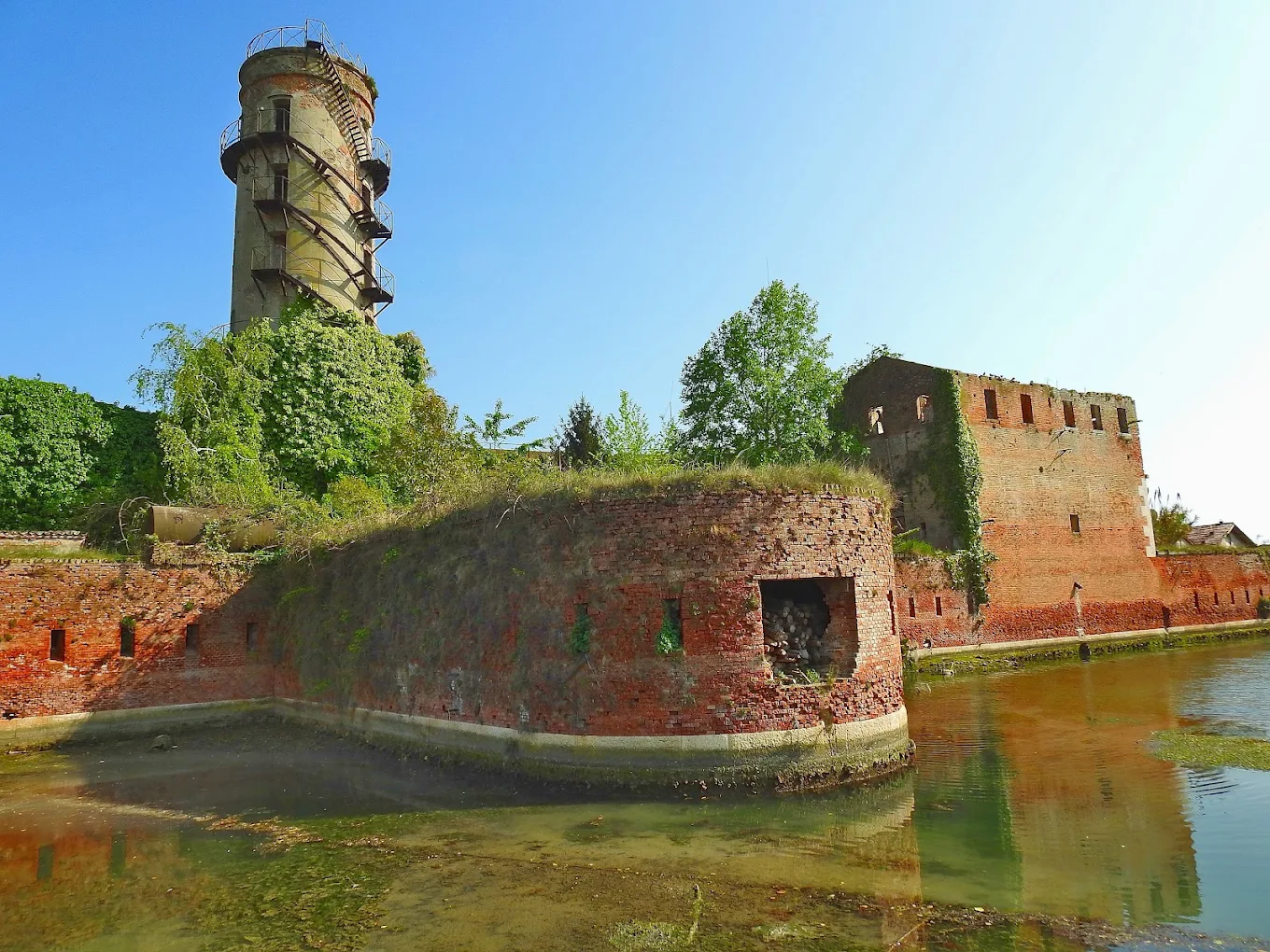
- Lazzaretto Nuovo: The 16th-century quarantine island where ships’ cargoes were disinfected. Now an archaeological site is open on weekends from spring to autumn.
- Pellestrina: An 11 km sliver of land between Lido and Chioggia, with around 5,000 residents, low colourful houses and lace-makers working in their doorways. Genuinely off the tourist trail.
How to explore the Venetian Lagoons by boat
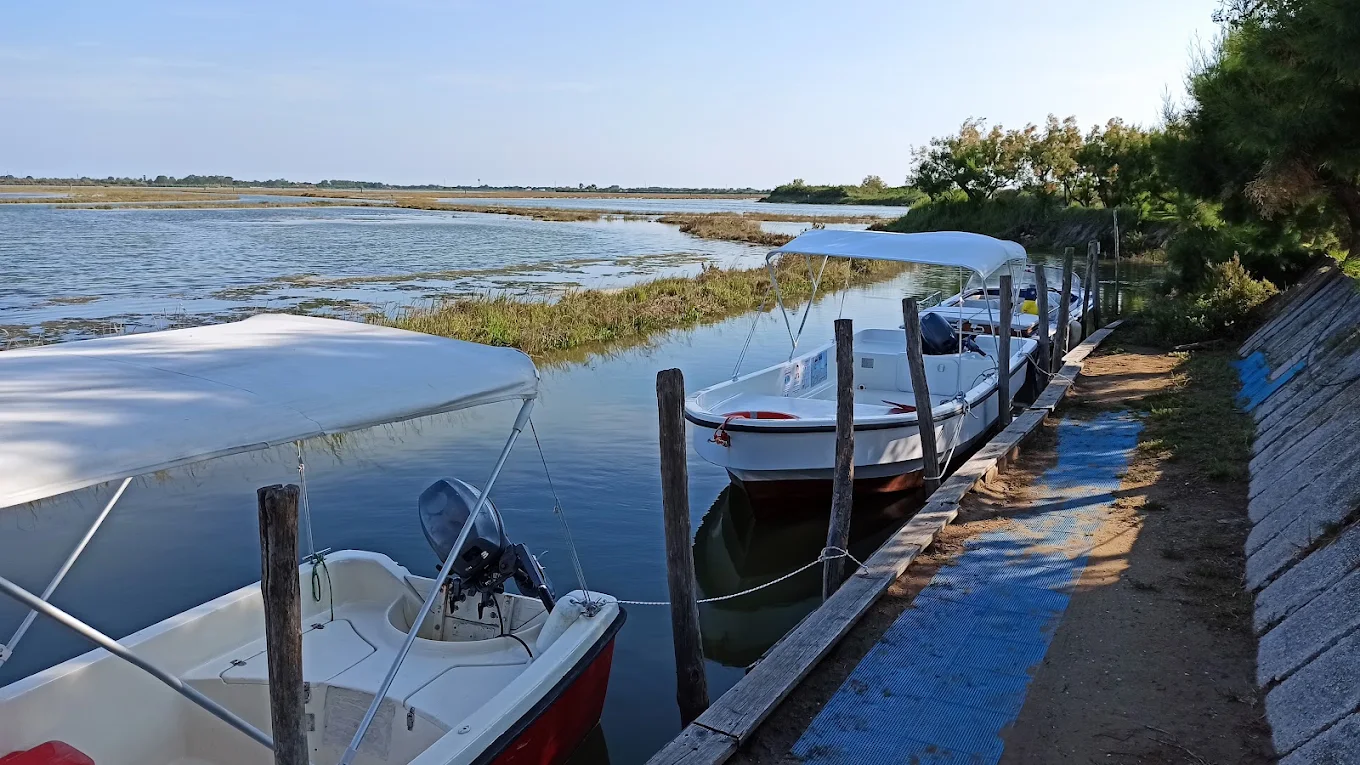
There is no road network in the lagoon; boats are the only way to get around. You essentially have three choices: the public vaporetto, a guided group tour, or a private boat hire.
Vaporetto (public water bus):
Operated by ACTV, the vaporetto is the cheapest and most flexible option. A single one-way ticket costs €9.50 and is valid for 75 minutes.
Private boat and small-group tours:
- Half-day shared tours of Murano, Burano and Torcello typically run 4–5 hours and cost around €25–€40 per person
- Private skipper-hire for up to 6 people runs from around €400 for a half-day, best value when split between a family or group
- Stand-up paddleboard and rowing tours (in the traditional Venetian voga style) leave from Certosa and Sant’Elena and last 2–3 hours
Discover the Venetian Lagoon on your next holiday
The smartest approach for many travellers is to base yourself outside Venice itself, on the Adriatic coast at Porto Santa Margherita, Lido di Jesolo, or other nearby resorts. This is a benefit as prices are more reasonable, beaches are wide, and you can still reach the lagoon within an hour. From there, you can pick your days, hit Venice early before the cruise crowds arrive, and head back to the coast for dinner.
Ready to plan your stay?
Agenzia Lampo offers one of the widest selections of apartments, residences, and villas along the Veneto coast, all within easy reach of the lagoon islands. Browse availability on Agenzia Lampo and start planning your Venetian Lagoon adventure today.